
Market Overview: The Scale of U.S. E-Commerce
The U.S. e-commerce market is one of the largest in the world, reaching an estimated size of $1.1 trillion in 2023, with continued growth expected in the coming years. This represents approximately 25% of total retail sales in the U.S., a figure that has steadily increased over the past decade as consumers shift toward online shopping for convenience, variety, and competitive pricing. The COVID-19 pandemic accelerated this trend, leading to a surge in digital adoption that has largely sustained post-pandemic.
Amazon’s Dominance in U.S. E-Commerce
Amazon is the leading player in the U.S. e-commerce market, holding an estimated 40% market share as of 2023. This dominance places it far ahead of other retailers, with Walmart and eBay following but at much smaller shares of approximately 6% and 4%, respectively. Amazon's extensive logistics network, Prime membership program, and vast product selection contribute to its market control.
Beyond traditional retail, Amazon has also expanded into various sectors such as groceries, streaming, and healthcare, leveraging its customer data to cross-promote products and services, further solidifying its lead in the e-commerce market.
Market Share Breakdown of Other Key Players
After Amazon, the top U.S. e-commerce players include:
- Walmart: As the second-largest e-commerce retailer, Walmart has made significant strides, primarily through its online grocery sales and Walmart+ subscription, positioning it as Amazon’s closest competitor.
- eBay: Known for its marketplace model, eBay focuses on both new and pre-owned goods but faces increasing competition from newer platforms.
- Target: With around 2% market share, Target is a growing player in e-commerce, particularly strong in categories like home goods and groceries.
- Others: Platforms like Shopify, Best Buy, and Etsy are also growing, each carving out niches in specific sectors (e.g., handmade goods, electronics).
Trends and Shifts in Growth Patterns
In recent years, U.S. e-commerce has experienced a notable shift in several areas:
- Mobile Commerce: Mobile now accounts for over 45% of online transactions, up from 35% in 2019, driven by the growth of mobile-friendly platforms and in-app shopping.
- Buy Online, Pick-Up in Store (BOPIS): Retailers like Walmart, Target, and Best Buy have capitalized on this hybrid model, offering customers the convenience of online shopping with immediate in-store pick-up.
- Social Commerce: Platforms such as Instagram, TikTok, and Facebook are increasingly used for shopping. Influencer-driven content and in-app purchasing have contributed to an estimated 30% growth in social commerce in recent years.
- Subscription Models: Many retailers are adopting subscription-based models, with Amazon Prime, Walmart+, and Instacart+ leading the way. Subscriptions drive loyalty and increase average order value by offering customers exclusive benefits.
The Growth of DTC E-Commerce in the U.S.
Within the broader e-commerce market, Direct-to-Consumer (DTC) brands are playing an increasingly important role. DTC brands are typically built using platforms like Shopify and are operated independently by companies to sell directly to consumers, bypassing traditional retail intermediaries. As of 2023, there are an estimated 100,000+ DTC e-commerce sites in the U.S., driven by growing consumer interest in unique, niche, and often sustainable brands.
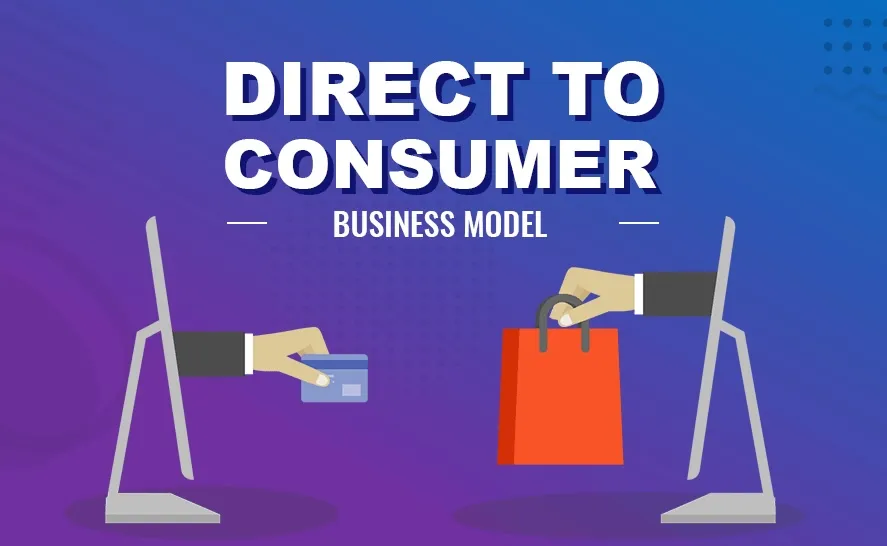
According to recent data, the GMV (Gross Merchandise Volume) from DTC channels is estimated to make up around 25% of total U.S. retail e-commerce GMV, with major platforms like Shopify playing a significant role in enabling brands to launch their own websites. Shopify alone powers over 2 million websites globally, with a large portion of those sites based in the U.S. This DTC trend reflects a shift in consumer preferences toward personalized shopping experiences and direct brand relationships.
Consumer Behavior and Traffic Changes
Changes in consumer behavior are significantly influencing e-commerce:
- Personalization Demand: Modern consumers expect personalized experiences, from product recommendations to tailored marketing. Retailers investing in AI-driven personalization see a 20% increase in conversions on average.
- Demand for Sustainability: Many consumers, especially Gen Z and Millennials, prefer eco-friendly products and sustainable packaging. Companies like Etsy have responded by offsetting carbon emissions and supporting independent, environmentally responsible sellers.
- Shift to Digital-First: With the majority of consumers now preferring online over in-store shopping, e-commerce traffic patterns reflect this shift. Google reports that “near me” and “same-day delivery” searches have surged, as consumers increasingly expect fast, location-based services.
Traffic and Engagement Trends
Traffic patterns have evolved, reflecting seasonal and real-time changes in consumer demand:
- Holiday and Event Surges: E-commerce platforms experience the highest traffic during Q4 due to holiday shopping, accounting for nearly 30% of annual sales. Black Friday and Cyber Monday are particularly high-traffic days, with e-commerce sites preparing in advance to handle increased loads.
- AI-Enhanced Search and Recommendations: AI-powered tools that enhance search functionality and recommend products in real-time are increasingly being adopted, leading to higher engagement rates. Amazon’s and Walmart’s AI-driven systems, for instance, continuously optimize search results to match user preferences.
DTC vs. Traditional E-Commerce Players
While Amazon dominates the U.S. e-commerce landscape, DTC brands are capturing more attention and loyalty from consumers. The DTC model is particularly strong in categories like beauty, fashion, personal care, and wellness, where brand identity and customer loyalty play a critical role. As DTC brands gain market share, they provide a competitive alternative to established retail giants by offering unique products, targeted messaging, and often sustainable practices.
Future Outlook for U.S. E-Commerce and DTC Brands
Looking ahead, the U.S. e-commerce market is projected to grow at a compound annual growth rate (CAGR) of around 10% over the next five years. Within this, the DTC segment is expected to grow faster than the overall market, driven by consumer preferences for brand authenticity, direct engagement, and personalized shopping experiences. Some key areas of growth include:
- Enhanced Technology and Personalization: AI and machine learning will continue to shape the DTC experience by providing personalized recommendations, enhancing customer service, and optimizing inventory.
- Augmented Reality (AR) Shopping: DTC brands, particularly in fashion and home goods, are adopting AR to allow customers to visualize products in real-life settings, improving purchase confidence and engagement.
- Emphasis on Sustainability: As consumers become more environmentally conscious, DTC brands are expected to lead in sustainability initiatives, from carbon-neutral shipping to eco-friendly packaging.
- Hybrid and Omnichannel Experiences: Some DTC brands are moving beyond online-only models, opening physical stores or pop-ups to create omnichannel experiences. This hybrid model offers convenience and caters to consumers who enjoy both online and in-store shopping.
Reference:
Enhencer: "Expected E-commerce Growth in Q4 2024." LinkedIn, 2024, https://www.linkedin.com/pulse/expected-e-commerce-growth-q4-2024-enhencer-aokwf/.
Digital Commerce 360: Haleem, Abbas. "US Ecommerce Sales Reached $1.119 Trillion in 2023." Digital Commerce 360, 26 Feb. 2024, https://www.digitalcommerce360.com/article/us-ecommerce-sales/.
Investopedia: "Gross Merchandise Value (GMV)." Investopedia, 2024, https://www.investopedia.com/terms/g/gross-merchandise-value.asp.
McKinsey & Company: "Social Commerce: The Future of How Consumers Interact with Brands." McKinsey & Company, 2024, https://www.mckinsey.com/capabilities/growth-marketing-and-sales/our-insights/social-commerce-the-future-of-how-consumers-interact-with-brands.
Statista: "Market Share of Leading Retailers in U.S. E-Commerce." Statista, 2024, https://www.statista.com/statistics/274255/market-share-of-the-leading-retailers-in-us-e-commerce/.
Statista (D2C eCommerce Sales): "U.S. D2C E-Commerce Sales." Statista, 2024, https://www.statista.com/statistics/1109833/usa-d2c-ecommerce-sales/.
Statista (Target Statistics): "Target - Statistics & Facts." Statista, 2024, https://www.statista.com/topics/1914/target/.
Statista: "Pandemic Accelerates Shift to Online Retail." Statista, 2024, https://www.statista.com/chart/14011/e-commerce-share-of-total-retail-sales/.
Tidio: "Mobile Commerce Statistics." Tidio, 2024, https://www.tidio.com/blog/mobile-commerce-statistics/.
WiserNotify: "Ecommerce Personalization Stats." WiserNotify, 2024, https://wisernotify.com/blog/ecommerce-personalization-stats/.